Puerto Rican brides have long been admired for their loving nature, warm personalities, and strong commitment to their partners. When you meet a Puerto Rican bride, you’ll often find someone who values family, balances tradition with modern outlooks, and brings a deep emotional connection to her relationships. For many men, marrying a Puerto Rico bride is the ultimate match, as these women exemplify loyalty, passion, and dedication qualities that build lasting love.
The loving nature of Puerto Rican brides can be traced back to their cultural upbringing. Family plays a central role in their lives. They’re raised in environments that emphasize togetherness and cooperation. This upbringing translates into their romantic relationships, where they offer not just physical affection but also emotional support. You’ll find that a Puerto Rican wife will go above and beyond to care for her partner and nurture emotional bonds.
More, these women are naturally affectionate, offering a warmth that is unmatched. While some cultures may shy away from open displays of love, Puerto Rican women for marriage take pride in nurturing emotional connections. Physical closeness, thoughtful gestures, and frequent words of affirmation are all common aspects of their love language. You’ll feel a constant sense of care and intimacy when with Puerto Rican females, which cements the bond between partners.
Beyond emotional connection, loyalty is another hallmark of Puerto Rican wives. These women are incredibly committed to their marriages and relationships. You’ll rarely find them distracted or lacking dedication once they’ve chosen a partner. The dedication Puerto Rican women for marriage display is tightly related to their cultural values of fidelity and devotion. Once they decide to marry, their efforts focus solely on making their marriage thrive.

In addition, the blend of traditional and modern values makes Puerto Rico brides true partners for life. They possess a certain flexibility in meeting their partner halfway, combining their respect for tradition with nuanced expectations of modern relationships. Whether it’s managing a household or contributing professionally, they bring a balanced approach to marriage.
So, whether you’re captivated by the idea of cute Puerto Rican girls from your first meeting or you’re hoping to build a stable, long-term relationship, Puerto Rican chicks make amazing partners. Their commitment to love, openness to affection, and focus on building a lasting bond make them among the most loving women you can marry.
What Makes Puerto Rico Women for Marriage So Unique and Committed
Puerto Rico women for marriage are genuinely unique in terms of their strong sense of loyalty, dedication to their families, and loving natures. These characteristics aren’t just personality quirks but are ingrained elements of their upbringing. Their personal values and how they approach relationships make Puerto Rican brides stand out globally.
From a young age, young Puerto Rican girls witness the importance of family, unity, and love. These early experiences influence how they perceive long-term relationships and marriage. It’s not uncommon for a girl in Puerto Rico to closely emulate the strong family bonds she grew up observing. As a result, they become women who hold the idea of marriage in high regard both as a personal commitment and as a familial one.

It’s important to note that Puerto Rican brides have a deep-rooted emphasis on respect for their partners. Mutual respect lays the foundation for trust and harmony in their homes. Whether planning family activities or making crucial decisions, they approach matters with the same level of seriousness and care. This mindset contributes to their ability to maintain healthy long-term partnerships.
Equally compelling is the balance they maintain between tradition and independence. Puerto Rican brides know how to honor their cultural roots while embracing independence as modern women. Exhibiting both nurturance and personal growth, they are versatile in their roles as partners. Whether you’re seeking a loving mother to your children or a driven companion, these women easily slide between both worlds with grace.
Because they are naturally caring, their nurturing extends beyond their family and into their community and social circles. Whether you’re charmed by a Puerto Rican chick or a Puerto Rican lady, you’ll notice they have a strong social network and a close-knit group of loved ones. These women take the time to foster supportive relationships, and they’re known to devote as much effort into their marriages as they do into maintaining their friendships and extended family.
If you meet Puerto Rican singles, you might also notice another lovely quality: their sense of humor and playfulness. There’s a vibrant joy to their personalities that shines through in everyday interactions. Whether they are engaging with friends or their partner, their playful nature keeps relationships refreshing and fun.
Moreover, they’re known for their perseverance and commitment to working through challenges. Pretty Puerto Rican girls don’t shy away from the responsibilities that come with marriage. It becomes clear that they put in the work needed to maintain the spark and love in their relationship. This level of commitment never fails to make them phenomenal life partners, drawing a clear distinction between fleeting attractions and deeply-rooted, committed marriages.
Understanding the Cultural Charm of Puerto Rican Wives
The charm found in Puerto Rican wives isn’t just on the surface. Beyond their undeniable beauty, which includes everything from the radiant smiles of pretty Puerto Rican girls to their graceful movements, there’s the charm that extends into their everyday behavior and principles. A marriage with a Puerto Rican bride brings not only physical attractiveness but also long-lasting companionship filled with shared joy, laughter, and growth.
One of the first things you’ll notice about a Puerto Rican woman is her aptitude for diving fully into life’s experiences. Whether preparing for an event, engaging with her family, or working toward professional achievements, she brings her entire self into whatever she does. This fervent engagement also seeps into her marriage. She’s not the kind to hold back or disengage; rather, she ensures that she fully commits to her relationships.

The culture of Puerto Rican brides further adds to their attractiveness. Formed under a mix of Latin, African, and Caribbean influences, Puerto Rican women infuse their experiences with a unique flair. Their passionate personalities, complemented by their fun-loving attitudes, make for marriages that rarely feel mundane. If a pretty Puerto Rican girl catches your eye, it’s likely not only due to her striking appearance but also because of the effortless charm that defines Puerto Rican culture.
Music, food, and family gatherings play an integral part of daily life for them. When you marry a Puerto Rican bride, it’s customary to find weekends and holidays filled with lively family celebrations. These experiences create an inclusive and joyous environment, enriching the connection between partners. Whether dancing salsa or cooking Puerto Rican dishes together, you’ll find every day with these women is an opportunity for celebration.
A quality that sets Puerto Rican females apart is the harmonious way they integrate traditional values and progressive ideals. Many of them excel in their careers, pursue higher education, and engage with the changing world while ensuring they stay true to their roots. When you consider Puerto Rico mail order brides, understand that they take forward steps in their relationships with the same momentum and energy that drive them towards success elsewhere in life.
How to Connect With Puerto Rican Singles Seeking Lasting Relationships?
Puerto Rican singles are known for being passionate, driven, and deeply committed when it comes to building meaningful relationships. If you’re interested in connecting with Puerto Rican singles looking for long-term connections, it’s important to understand what makes them stand out. Puerto Rican men and women are often family-oriented and place great value on trust, loyalty, and intimacy in relationships. By appreciating these traits and getting to know them on a personal level, you can find true chemistry and build a strong relationship.
If you’re seeking to meet a potential Puerto Rican bride or considering starting a relationship with a Puerto Rican lady, online dating platforms and social media offer several ways to connect with Puerto Rican singles. Many individuals turn to these avenues to meet like-minded partners. When using online platforms, clear and open communication is key. Engaging in thoughtful conversations, asking questions about their interests, values, and seeing how your own life goals align will help create a genuine connection.
Many young Puerto Rican girls take time to assess whether the potential match holds long-term potential. The nurturing family values of Puerto Ricans play a huge role in their approach toward romance and dating. Your efforts to connect could grow with mutual respect and admiration, forming a deep emotional connection. That’s why being upfront about your intentions and what you seek in a relationship is so significant for building lasting trust with that cute Puerto Rican girl or lady you’ve met.
When pursuing a romantic relationship with a pretty Puerto Rican girl, taking an interest in her background, country, and language will help foster a stronger connection as well. Learning about the rich Puerto Rican culture, including its music, dance, food, and customs, will show you genuinely appreciate where she comes from. Most Puerto Rican chicks will be impressed when potential partners are willing to learn about what’s important to them, including their heritage. By doing so, you’re immersing yourself into her world.
Although online dating is a practical option for forming connections, there are plenty of other ways to meet Puerto Rican beauties. Many Puerto Rican singles enjoy social events that include family gatherings, dancing, or other activities. Understanding that relationships often grow in casual settings and friendly gatherings may help you build authentic friendships before diving straight into romantic pursuits. Whether meeting a Puerto Rican woman for marriage or getting to know Puerto Rican girls on a friendly level, connection is about mutual enjoyment of experiences together.
Unique Traits of Puerto Rican Females in Relationships
Puerto Rican females are known for their warmth, vibrancy, and devotion to their relationships. Their strong sense of family loyalty and close-knit communities often shape their values, bringing depth and love into their romantic connections. These inherent qualities make Puerto Rican brides incredibly loving and caring partners who take pride in making relationships special.
Being with a Puerto Rican woman, you’ll likely observe her natural affection towards family. This same commitment extends to romantic relationships, where she seeks genuine connection and communication. Pretty Puerto Rican girls place great importance on loyalty and respect between both partners, expecting their relationships to be built on trust and care. Puerto Rican wives are often described as compassionate and loving, fostering bonds that grow over time.
Furthermore, Puerto Rican wives usually strike a balance between their independence and their devotion to their loved ones. In relationships, these women often express themselves through acts of love whether that means preparing a delicious traditional meal or offering emotional support during tough times. Family is central to the lives of many Puerto Rican singles, which often translates into dedication toward creating a harmonious home atmosphere within marriage.
Another fact about Puerto Rican ladies is that they tend to bring energy, enthusiasm, and zest into their relationships and marriages. Whether engaging in fun social activities with their partners or bringing joy to their households, the love they offer truly stands out. Plenty of Puerto Rican wives balance their lives between being strong, independent women and loving, supportive partners. Their focus on long-term success within their relationships is something that truly drives them.
In terms of communication, Puerto Rican females tend to be direct and expressive. Those considering marriage to a Puerto Rican bride should be prepared to actively listen and communicate openly with their partner. Expression of emotions is fundamental to feeling connected for Puerto Rican women, and rather than bottling up thoughts or feelings, they prefer open conversations. This helps to ensure both partners are on the same page and maintain a healthy emotional connection in marriage.
Discovering the Traditional Values in Puerto Rican Mail Order Brides

Puerto Rican mail order brides are sought after by men around the world for their beauty, passion, and commitment. These women are desirable partners as they often carry strong values that prioritize family, love, and connection across generations. What makes Puerto Rican mail order brides stand out is their ability to balance tradition with modern aspirations. Many Puerto Rican women for marriage embrace their culture’s long-standing devotion to family values, while also working toward personal goals in the present.
Traditional values can be found in many Puerto Rican households, including an emphasis on marriage, family life, and legacy. If you are considering starting a relationship with a Puerto Rican bride, understanding these values is vital to building a lasting bond. Many Puerto Rico mail order brides take pride in raising families and supporting their partners while also maintaining a career or personal projects. These women know the importance of teamwork in family life.
For prospective spouses, Puerto Rican women seeking marriage also prioritize open, transparent communication and emotional connection. It’s not uncommon for a pretty Puerto Rican girl dreaming of marriage to look for a life partner that complements her emotional needs and shares similar values regarding future plans. Trust is key for Puerto Rican girls in relationships, making it essential to invest time and effort into fostering dependable mutual respect and admiration.
You’ll likely notice that marriage to a Puerto Rican bride often means developing a life built on connection not just with your wife, but with her extended family. Extended family bonds are deeply significant within Puerto Rican culture and the presence of close familial relationships strengthens the support within relationships. The joy of spending holidays, gatherings, and regular interactions with her family adds an additional layer to the depth, love, and connection in your relationship.
In Puerto Rico, raising a family together is often viewed as one of the major milestones that solidify the bond between two people. A Puerto Rican wife often values quality time spent with family and creates a warm, loving environment at home. Bringing children into the equation only intensifies their dedication to nurturing a caring home life. These sentiments influence how they view long-term partnerships, making them committed life partners when searching for Puerto Rican wives.
The Beauty and Grace of Puerto Rican Ladies
Puerto Rican women have long been celebrated for their captivating beauty, elegance, and the warmth that they radiate. But what truly sets them apart is not just their physical attractiveness but their distinct cultural charm, strong family values, and sense of loyalty to loved ones. For men seeking a loving and supportive partner, Puerto Rican brides are an alluring choice from various perspectives.
To begin with, Puerto Rican women for marriage are often known for being highly affectionate. Their natural warmth and the focus they place on establishing a deep emotional connection make them cherished partners. It’s not surprising that many men seek them out as partners for life, their nurturing nature standing out as a prime attraction.

Further adding to their appeal is their cultural vibrancy. Puerto Rico is a melting pot of cultures, and its women embody this blend of traditions and influences in their character. Puerto Rican females take pride in balancing modernity with tradition while maintaining an approachable and welcoming demeanor. They love to express themselves through their unique fashion sense, their passion for music and dance, and their zest for life.
Passion and Personality
Something that truly makes a Puerto Rican lady stand out is her passion for life. These women are driven, hardworking, and deeply committed to their goals, whether they revolve around family, career, or personal development. Their innate confidence adds a natural grace to everything they do. This blend of drive and pride adds to their desirability as partners.
Equally important, Puerto Rican ladies are known for their intelligence and wit. They are naturally conversationalists who appreciate meaningful discussions and intellectual exchange. This adds both depth and fun to relationships, helping to strengthen emotional bonds.
Cultural Values and Family Ties
Family holds a special place in the heart of Puerto Rican brides. Raised in close-knit communities, these women have a strong appreciation for the importance of familial connections. For them, marriage is not just about two individuals coming together but about blending families and building a future based on love, support, and reciprocity.
They have a traditional view of marriage, valuing loyalty, trust, and partnership. When you marry a Puerto Rican wife, you enter a lifelong partnership that involves shared values and goals. This makes them devoted wives and loving mothers, ensuring that home and family are always a priority.
A Natural Grace
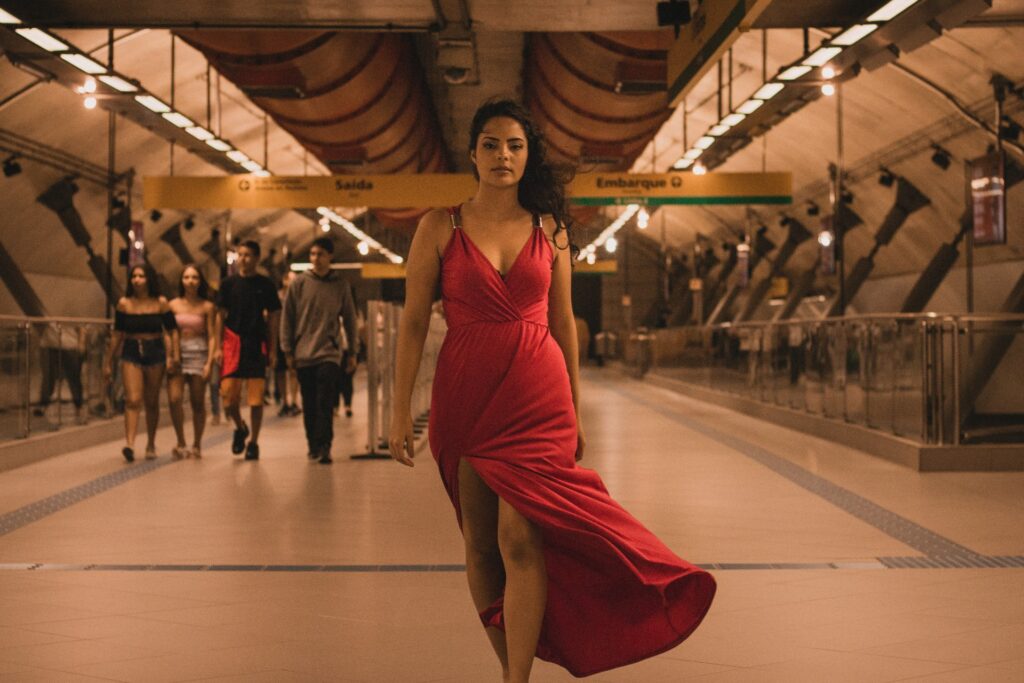
While each Puerto Rican bride has her personal style, there is a graceful air that radiates from their personality. Whether demonstrating elegance in everyday tasks or expressing love and affection, they always manage to exude poise and charm. It’s part of what makes them stand out in any crowd.
Strong bonds form during their committed relationships due to their genuine interest in their partner’s well-being. The devotion of a Puerto Rican wife is unmatched, as she seeks to make her partner feel loved and appreciated in every moment they share.
How to Meet Cute Puerto Rican Girls Who Are Interested in Marriage?
Meeting cute Puerto Rican girls who are genuinely interested in settling down can be an exciting and fulfilling experience. Puerto Rico boasts an enviable mix of cultural richness, which makes its ladies both appealing and approachable. Whether you’re vacationing in the Caribbean paradise or pursuing more serious connections, the opportunity to meet Puerto Rican singles interested in finding a lasting partner is high.
Puerto Rico as a Natural Meeting Place

One avenue to find pretty Puerto Rican girls is by spending time in Puerto Rico itself. The island is home to beautiful people, a rich history, and a wide range of social opportunities that can allow for organic conversation and connection. Cities such as San Juan are vibrant hubs of culture and interaction, providing the perfect backdrop to meet young Puerto Rican girls who might be interested in marriage.
For those looking to take a more deliberate approach, Puerto Rican communities hold many traditional festivals and local events. Those days are excellent opportunities for individuals hoping to meet a Puerto Rican bride seeking a committed relationship. These events generally celebrate Puerto Rican heritage and values, giving deeper insight into their cultural expression of love, loyalty, and commitment.
Online Portals and Modern Communication
Tackling geographical distances has never been easier, and many men looking to meet Puerto Rican mail order brides choose to explore matrimonial platforms. These platforms offer an effective route to communicate with Puerto Rican women for marriage who express serious intentions about family life.
Online platforms designed specifically to connect singles for marriage eliminate the hassles of casual dating, thereby focusing on meaningful connections. It’s not uncommon to come across testimonials from couples who have found their lifelong partners through a Puerto Rico mail order brides service.
Through careful and thoughtful communication, you can form deeper bonds with a prospective Puerto Rico bride, ultimately drawing a pathway toward marriage. Take your time to understand her interests, values, and what she’s looking for in a partner.
Social Media Presence
In today’s world, social media also plays a crucial role in connecting individuals. Many Puerto Rican chicks are active on platforms such as Instagram, Facebook, and others. This makes it easier to learn about their lifestyle and passions before engaging in meaningful conversation. Presenting yourself honestly and respectfully is key to making a great impression online.
Avoiding Common Mistakes When Courting a Puerto Rican Bride
Courtship is an essential part of building a loving and lasting relationship, and it’s no different with a Puerto Rican bride. However, several mistakes can cause friction or misunderstanding if you’re unfamiliar with what makes relationships flourish in Puerto Rican culture. Keeping these in mind can help you avoid pitfalls and strengthen your connection with that special woman.
Showing Disrespect to Family
The sense of family runs deep among Puerto Rican wives, and disrespect toward their family can make or break your relationship. Make an effort to show genuine interest and respect for her family members. By demonstrating that you care, you are also building a stronger emotional bond with your future spouse.

Avoiding Stereotypes
Another common mistake is buying into cultural stereotypes without getting to know Puerto Rican females on an individual level. Each person is unique and should be valued for who they are beyond any clichés or generalizations. Appreciate their individual personality and experiences rather than assuming negative traits based on misplaced beliefs.
Failing to Communicate Your Intentions
When pursuing a serious relationship with a Puerto Rican bride, it’s crucial to be clear about your intentions from the start. Many pretty Puerto Rican girls seeking marriage in their culture value directness and genuine commitment. Open communication about your goals will help avoid misunderstandings down the line.
Letting her know that you value long-term commitment, respect, and family will build a bridge of trust that brings you both closer. This transparency ensures that both parties are on the same page moving forward.
Overlooking Her Passion for Her Own Life Goals
While Puerto Rican wives traditionally prioritize family, they often have goals outside of the home as well. Failing to acknowledge her passion for her career, hobbies, or personal aspirations can lead to frustration. For a harmonious relationship, make sure that you celebrate her ambitions outside of the home and view partnership as one of balance and shared growth.
Inattentiveness to Cultural Traditions
While Puerto Rican singles can range widely in their backgrounds, many still embrace specific traditions tied to holidays, food, music, and how they maintain relationships. Disregarding these traditions may lead to feelings of alienation. Learn and appreciate the nuances of Puerto Rican social customs, as this will demonstrate affection and respect for her heritage.
Expecting Fast Progress and Pushing Too Hard
While there may be a romantic spark, it’s a mistake to rush things. Relationships with Puerto Rican ladies are built on trust and shared values. Trying to hasten the pace of romance, intimacy, or marriage may create a barrier. Let the relationship unfold naturally, enjoying every stage, and your commitment will flourish.